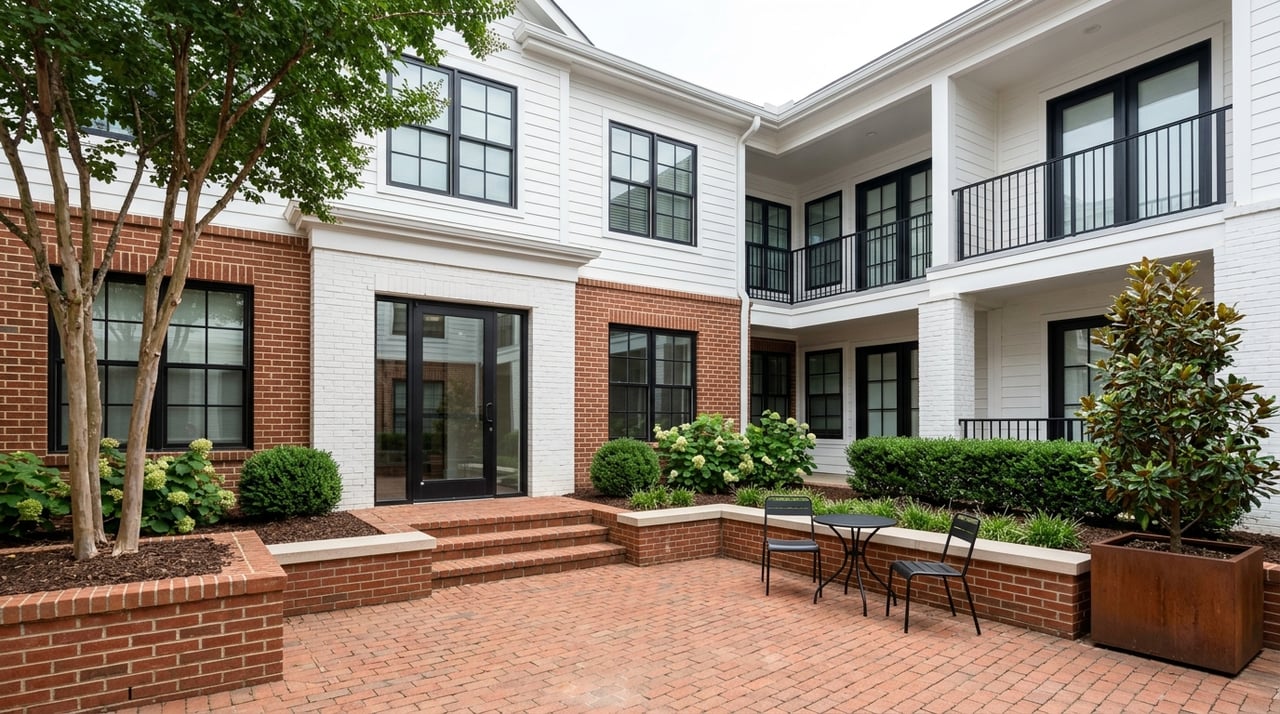
If you are thinking about buying a condo in Uptown Charlotte, you are probably weighing one big question: is the convenience worth the tradeoffs? For many buyers, the answer is yes, especially if you want walkability, easy access to transit, and a front-row seat to the energy of Center City. At the same time, condo living comes with shared rules, monthly dues, and a different kind of ownership than a detached home. Let’s dive in.
Why Uptown condo living appeals
Uptown sits in the middle of Charlotte Center City, which Charlotte Center City Partners describes as the region’s economic, social, and cultural heart. The same organization notes that Center City has more than $4 billion in the development pipeline, which helps explain why the area continues to feel active and evolving.
For you as a buyer, that often means an urban lifestyle built around proximity. You may be closer to work, restaurants, museums, parks, sports, and entertainment, with less need for a large yard or extra storage space. If you want to spend more time out in the city and less time managing a property, Uptown can be a strong fit.
What condo amenities can offer
One of the biggest draws of condo living is access to shared amenities that would be hard to maintain on your own. Depending on the building, that can include fitness areas, gathering spaces, rooftop areas, pet-focused amenities, and other convenience-driven features.
A recent city-backed Uptown project, Trella Uptown, highlights the kind of amenity package buyers may see in Center City. The project includes shared gathering spaces, a fitness center, a maker space, a podcast studio, rooftop pickleball courts, outdoor spaces, a pet spa, and in-unit washers and dryers.
That does not mean every condo building will offer the same lineup. It does mean that in Uptown, amenities are often part of the value proposition, especially for buyers who want a more service-oriented lifestyle.
How HOA dues work
Monthly HOA dues are one of the most important parts of the condo equation. Under North Carolina condominium law, associations can adopt rules, set budgets and reserves, collect assessments, hire managers, maintain financial records, and carry property and liability insurance for common elements.
In practical terms, your dues are not just paying for extras like a gym or lounge. They also help cover the building’s shared obligations, including maintenance, reserves, and insurance tied to common areas. That shared-services model can simplify day-to-day ownership, but it can also mean higher monthly carrying costs than homes with fewer shared systems.
The tradeoff between convenience and control
Condo ownership gives you ownership of your unit, but it does not usually give you complete freedom to change everything around it. State law generally allows owners to improve the interior of their unit, but exterior changes and changes to common elements typically require permission under the governing documents and rules.
That is an important point if you like to customize a property. If your priority is a lock-and-leave lifestyle with less exterior maintenance, those rules may feel reasonable. If you want broad control over appearance, parking, or building use, condo living may feel more restrictive.
Why building finances matter
Before you buy, it is worth looking closely at the association’s financial health. North Carolina law requires an annual association meeting along with a budget summary and ratification process, which gives owners formal input into building operations.
The same law also makes clear that unpaid assessments can become serious. If dues are missed, they may become a lien after 30 days, and foreclosure can follow after 90 days if statutory procedures are met. For you as a buyer, that means reviewing dues, reserve funding, and the possibility of special assessments is not just paperwork. It is part of understanding your real monthly and long-term cost.
Parking is a real decision point
In Uptown, parking should never be treated as an assumption. The City of Charlotte says its Park It program manages more than 1,800 on-street parking spaces in Uptown, with most meters priced at $1.50 per hour and enforced from 7 a.m. to 10 p.m. Monday through Saturday.
The city also maintains residential parking permit areas in First, Third, and Fourth Wards, along with nearby Dilworth and Wilmore. For condo buyers, the key takeaway is simple: some buildings may include garage parking, some may assign a space, and some may not include parking at all.
Condo documents can allocate features in different ways under state law, so you should confirm whether a parking space is deeded, assigned, leased, or not included. In a walkable area like Uptown, that detail can shape both your budget and your daily routine.
Transit can reduce car dependence
One reason condo living works well for many Uptown buyers is access to public transportation. CATS says the Gold Line streetcar runs 4 miles with 17 stops connecting Historic West End, Center City, and Elizabeth.
Charlotte’s rider information also notes that the broader rail system includes 26 stations and 10 park-and-ride locations, with free parking at those park-and-ride sites. The LYNX Blue Line and CATS-Pass tools make it easier to track buses, Blue Line, and Gold Line arrivals in real time.
Cost matters too. CATS lists fares at $2.20 for a one-way trip, $6.60 for a day pass, and $88 for a monthly pass. The agency also notes that the Sprinter Route 5 Airport runs every 30 minutes from Uptown to Charlotte Douglas International Airport, which can be especially useful if you travel often.
Noise and activity are part of the package
If you love city energy, Uptown can feel exciting and convenient. If you prefer a quieter setting, it is important to go in with realistic expectations.
Charlotte’s noise ordinance applies within city limits and treats Uptown residential properties as residentially occupied property. The ordinance places time-based limits on some outdoor amplified sound and notes that construction noise can require mitigation planning in certain cases.
Even with those rules, city living still comes with more sound and movement than many suburban areas. You may notice traffic, foot traffic, events, nightlife, or nearby construction depending on the block and the building.
The upside of being close to everything
For many buyers, the tradeoff is worth it because Uptown puts so much within reach. Charlotte Center City Partners highlights the area’s hundreds of restaurants, breweries, bakeries, coffee shops, retailers, food trucks, and pop-up events.
That street-level energy is reinforced by local programming. Charlotte SHOUT! is described as a multi-week arts and culture festival with more than 200 installations, performances, events, and activations. The city has also highlighted venues like the Carolina Theatre at Belk Place, along with destinations such as the Market at 7th Street and public-space programming throughout Center City.
If you want short trips to dining, culture, entertainment, and transit, condo living in Uptown can support that lifestyle in a way that many other housing options do not.
Who Uptown condo living fits best
Uptown condo living often makes the most sense if you value access over square footage. You may be a strong fit if you want a walkable location, a more maintenance-light setup, and easier connections to work, entertainment, and transportation.
It may be less appealing if you need a lot of storage, prefer quieter surroundings, or want more freedom to make exterior changes without association approval. The right answer depends on how you want to live day to day, not just what looks good on a listing sheet.
How to evaluate an Uptown condo
When you are comparing condo options in Uptown, it helps to look beyond finishes and views. Focus on the pieces that will affect your routine and your monthly costs.
Here are a few smart questions to ask:
- What do the monthly HOA dues cover?
- Are reserves funded, and are any special assessments expected?
- What rules apply to renovations or exterior-facing changes?
- Is parking included, assigned, deeded, or separate?
- How does the building handle security, package delivery, and common-area maintenance?
- How close is the condo to transit stops, parking options, and the places you expect to visit often?
- What level of noise and street activity should you expect at different times of day?
If you are relocating or buying your first condo in Charlotte, these details can make a big difference in how satisfied you feel after closing.
Making the right move in Uptown
Condo living in Uptown Charlotte can offer a streamlined, connected lifestyle that is hard to match if you want to be close to the heart of the city. The amenities, transit access, walkability, and cultural energy are real advantages, but so are the tradeoffs around dues, parking, rules, and noise.
The key is finding the right building for the way you actually live. If you want help comparing condo options, understanding association documents, or narrowing down the best fit for your move, connect with The Sears Group for local guidance and personalized support.
FAQs
What are the main benefits of condo living in Uptown Charlotte?
- The biggest benefits are walkability, shared amenities, lower exterior maintenance responsibilities, and easy access to dining, entertainment, and transit.
What do HOA fees usually cover in an Uptown Charlotte condo?
- HOA fees often help fund common-area maintenance, reserves, insurance for common elements, and building operations, along with amenities if the building offers them.
How important is parking when buying a condo in Uptown Charlotte?
- Parking is very important because some buildings include spaces and others do not, so you should confirm whether parking is deeded, assigned, leased, or separate before you buy.
Is Uptown Charlotte condo living noisy?
- Uptown can be noisier than many residential areas because of traffic, events, nightlife, and construction activity, even though city noise rules still apply.
Can you live in Uptown Charlotte without driving every day?
- In some cases, yes, because Uptown has access to the Gold Line, the LYNX Blue Line, bus service, and park-and-ride options that can make car-light living more practical.
What should you review before buying a condo in Uptown Charlotte?
- You should review the condo documents, HOA budget, reserve funding, rules, parking details, and any signs of upcoming special assessments so you understand both the lifestyle and the long-term costs.