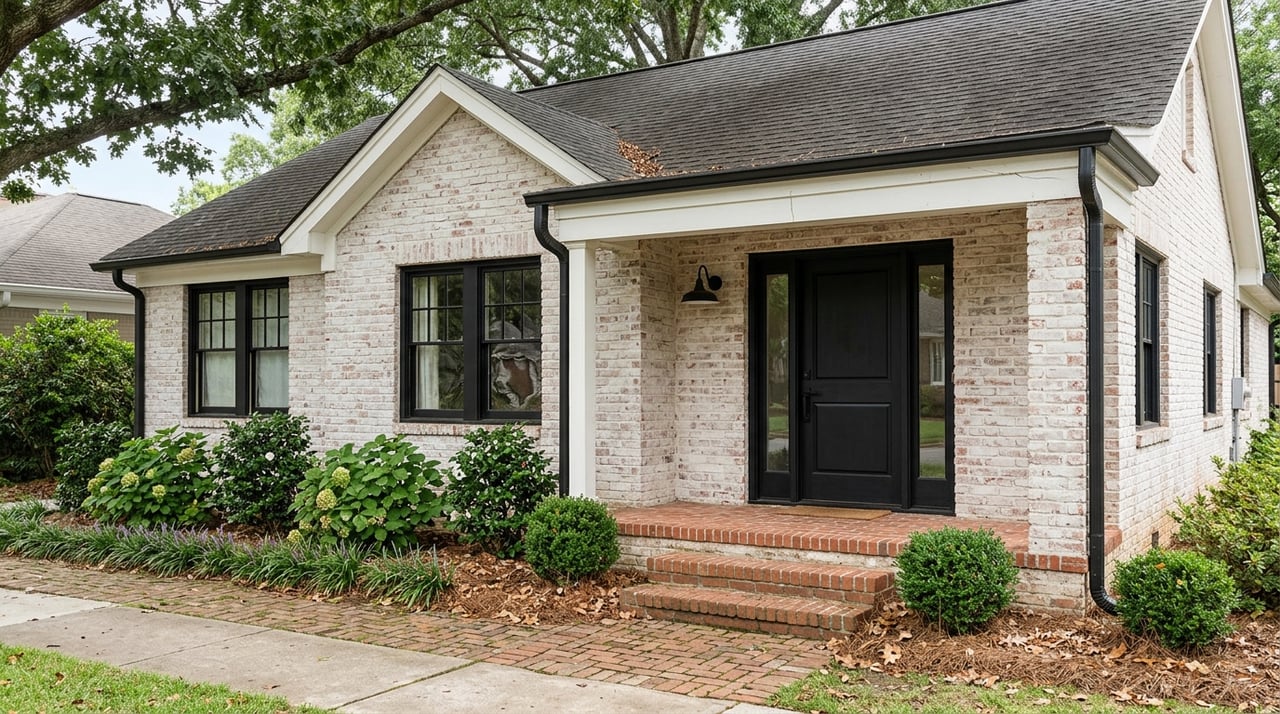
If you love the charm of Plaza Midwood’s older homes, you are not alone. Original porches, varied architecture, and established streetscapes can make these properties feel special from the moment you pull up. But before you fall for the character alone, it helps to understand what buying an older home here can really involve, from inspections and renovation planning to historic-district rules and permitting. Let’s dive in.
Why older homes in Plaza Midwood stand out
Plaza Midwood is a local historic district in Charlotte, and its housing stock reflects multiple periods of development from the 1910s and 1920s. City materials describe it as Charlotte’s most varied historic district, with styles that include Victorian, Craftsman, bungalow, cottage, American Small House, and mid-century family homes.
That variety matters when you shop. Two homes with similar square footage can offer very different lot sizes, setbacks, renovation options, and yard layouts depending on the block. Along The Plaza, you may see larger lots and deeper setbacks, while secondary streets can have smaller side yards and shallower setbacks.
Look past charm during showings
When you tour an older home, it is easy to focus on hardwood floors, trim details, and curb appeal. In Plaza Midwood, those features are part of the draw, but you will also want to think about what may be behind the walls, under the floors, or tied to the age of the home.
A smart approach is to treat the showing as the first step in a bigger review process. Instead of asking only, “Do I love this house?” ask, “What will this home need now, and what might it need if I want to update it later?”
Key inspections to consider first
Older homes often need a more careful diligence plan than newer construction. That does not mean you should avoid them. It means you should budget for a deeper look at health, safety, and systems before you commit to major updates.
Lead-based paint in pre-1978 homes
If a home was built before 1978, lead-based paint is a serious consideration. Federal law requires disclosure of known lead information and gives buyers a 10-day window for an inspection or risk assessment.
This matters even more if you plan to renovate after closing. Activities like sanding, cutting, and window replacement can disturb old paint and create hazardous dust, so lead-safe certified contractors are important for this kind of work.
Asbestos in older materials
Asbestos is another issue buyers should keep on their radar in older homes. Materials like floor tile, ceiling tile, and pipe wrap may contain asbestos, and it cannot be identified reliably just by looking at it.
If suspect materials are damaged or may be disturbed during a renovation, sampling by an accredited professional is the safer next step. This is especially relevant if you are planning to open walls, replace floors, or update older mechanical areas.
Radon, moisture, and ventilation
Radon testing is also worth considering as part of your home diligence process. In addition, moisture control and ventilation deserve close attention because excess moisture can lead to mold, rot, and structural damage over time.
In practical terms, that means paying attention to crawlspaces, bathrooms, attics, older windows, and any signs of water intrusion. Cosmetic flaws can wait in many cases, but moisture and ventilation issues usually should be priced and prioritized early.
Know the likely update list
Many Plaza Midwood buyers are not just buying a home as-is. They are also buying into a future plan, whether that means modest repairs now or larger upgrades later.
Common areas to evaluate include:
- Window and door replacements
- Porch or fence changes
- Tree removal
- Roof repairs
- Electrical updates
- Plumbing updates
- HVAC and ventilation work
- Additions
- Accessory dwelling units, if allowed and approved
This list matters because it lines up with Charlotte’s historic-district review rules and Mecklenburg County permit categories. In other words, your budget should account for both visible improvements and work required for safety, systems, or compliance.
Historic district rules can shape your plans
One of the biggest things to know before buying in Plaza Midwood is that historic-district rules may affect what you can change on the outside of the home. Charlotte requires a Certificate of Appropriateness before exterior work begins in a local historic district.
That requirement applies to exterior alterations, restoration, new construction, moving, and demolition. The city also says some landscaping and site work may need review, so buyers should not assume exterior projects are simple just because they seem minor.
What may not need approval
Some normal maintenance may not require approval. For example, reroofing with in-kind materials generally may be treated differently than a visible design change.
Still, the city advises owners to confirm with staff before starting work. That is an important point for buyers because the right answer depends on the exact project, materials, and property context.
Why this affects your purchase decision
If you already know you want to replace windows, rework a porch, add a fence, or build an addition later, those plans should be part of your buying decision now. Historic review can affect design, timeline, contractor coordination, and total cost.
That means the “right” house is not just the one with the best finishes today. It is also the one that works with your long-term goals and realistic improvement plans.
Permits matter for more than major remodels
In Mecklenburg County, residential work on one- and two-family dwellings and townhomes generally requires permits for new construction, reconstruction, alteration, repair, movement, removal, or demolition. Building, electrical, plumbing, and mechanical permits may all come into play depending on the work.
Some work under $40,000 may be exempt in certain cases, but that does not apply across the board. If the work affects load-bearing structures, system design, roofing, or materials, permits may still be required.
If you are considering a future addition, deck, detached structure, pool, solar installation, retaining wall, or accessory dwelling unit, the city notes that these projects can trigger concurrent City of Charlotte and Mecklenburg County review. For buyers, that is more than a paperwork detail. It can shape project timing, contractor selection, and renovation costs.
Budget for more than the mortgage
Older-home buyers often make the mistake of focusing mainly on the monthly payment. A better approach is to build your budget around the full cost of ownership.
That includes:
- Mortgage payment
- Utilities
- Routine maintenance
- Repairs
- Moving costs
- Furnishings
- Emergency reserves
- Inspection costs
- Lead-safe work if pre-1978 paint will be disturbed
- Asbestos sampling if suspect materials may be opened up
- Permit or Certificate of Appropriateness fees for planned work
For Plaza Midwood homes, this kind of planning is especially important because the housing stock is varied and exterior changes may be regulated. A house that looks move-in ready at first glance may still need meaningful spending in the first year or two.
Separate cosmetic wants from priority needs
One of the best ways to stay confident during the buying process is to separate cosmetic upgrades from safety and compliance work. Paint colors, light fixtures, and decor choices are one category. Moisture issues, ventilation problems, older systems, and hazardous materials are another.
That does not mean cosmetic projects do not matter. It means your early budget should prioritize the work that protects your health, your home, and your ability to renovate correctly.
A simple way to think about it is this:
| Category | Examples | Priority |
|---|---|---|
| Cosmetic | Paint colors, fixtures, surface finishes | Often can wait |
| Systems and safety | Electrical, plumbing, HVAC, ventilation | Usually early priority |
| Environmental concerns | Lead, asbestos, radon, moisture | Evaluate early |
| Compliance-related | COA review, permits, exterior approvals | Plan before work starts |
How to buy with fewer surprises
If you are serious about buying an older home in Plaza Midwood, go in with a plan instead of just enthusiasm. Character is a real advantage, but so is clarity.
Before you move forward on a property, it helps to:
- Review the home’s likely age and renovation history
- Consider whether the home may have pre-1978 paint
- Ask yourself what changes you want to make in the first 1 to 3 years
- Budget for inspections tied to older-home risks
- Factor in possible historic-district review for exterior work
- Consider permit needs for structural or system updates
- Leave room in your budget for the unexpected
That kind of preparation can help you choose a home that fits both your lifestyle and your renovation tolerance. In a neighborhood as distinctive as Plaza Midwood, that balance matters.
Buying an older home here can be incredibly rewarding when you understand what comes with the charm. If you want guidance that combines neighborhood insight with a practical, step-by-step buying strategy, The Sears Group is here to help you move forward with confidence.
FAQs
What should buyers know about older homes in Plaza Midwood before making an offer?
- Buyers should look beyond charm and consider inspections, possible lead-based paint in pre-1978 homes, moisture and ventilation issues, future permit needs, and historic-district rules that can affect exterior changes.
Do historic-district rules affect exterior renovations in Plaza Midwood?
- Yes. Plaza Midwood is a local historic district, and Charlotte requires a Certificate of Appropriateness before many types of exterior work begin, including alterations, restoration, new construction, moving, and demolition.
Are permits required for older-home repairs and updates in Mecklenburg County?
- In many cases, yes. Mecklenburg County generally requires permits for residential construction, reconstruction, alteration, repair, movement, removal, or demolition, including work involving building, electrical, plumbing, or mechanical systems.
Why is lead-based paint a concern when buying an older Plaza Midwood home?
- Homes built before 1978 are more likely to contain lead-based paint, and renovation activities such as sanding, cutting, or window replacement can create hazardous dust if old paint is disturbed.
How should buyers budget for an older home in Plaza Midwood?
- Buyers should budget for more than the mortgage by including maintenance, repairs, utilities, inspections, moving costs, emergency reserves, and any likely compliance or renovation costs such as permits, COA fees, lead-safe work, or asbestos sampling.