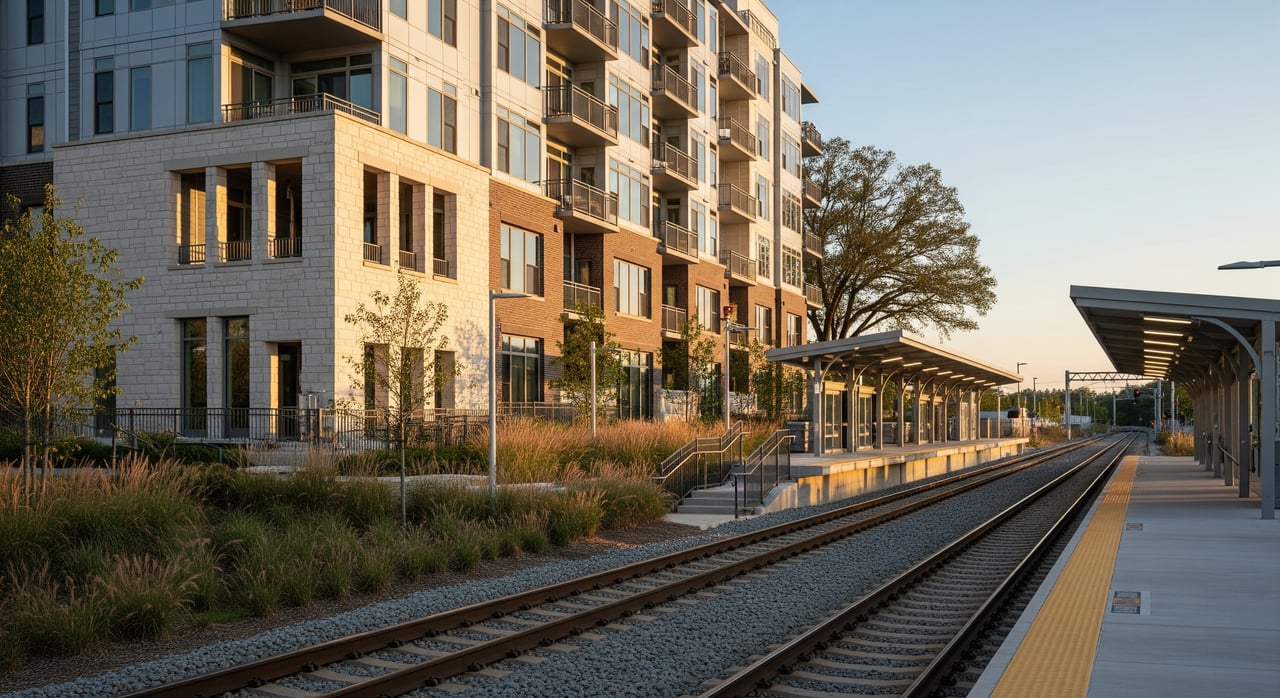
Thinking about buying near Charlotte’s LYNX Blue Line in University City but unsure how it really affects daily life and long-term value? You are not alone. Transit access can be a huge perk, yet every location comes with tradeoffs. In this guide, you will learn what to weigh, how to vet a property near the line, and the key steps to feel confident about your decision. Let’s dive in.
Why buy near the Blue Line
Commute and connectivity
If you work in Uptown or along the corridor, direct rail access can simplify your commute and cut down on driving. Many stations connect with local bus routes and offer park-and-ride options, which helps you mix modes depending on your schedule. For some buyers, this means fewer miles on the car, less parking stress, and a more predictable routine.
Before you commit, match the closest station to your typical commute times. Service patterns can vary by day and time. Your best check is to compare weekday peak options to your regular schedule and test the route in person.
Lifestyle and amenities
Transit corridors often attract restaurants, coffee shops, and everyday retail, especially where transit-oriented development is encouraged. In University City, you are also near UNC Charlotte, which brings cultural events, continuing education opportunities, and recreational amenities. Bike lanes and pedestrian upgrades are more common near stations and the campus, which can make short trips simpler without a car.
Value and investment potential
Homes close to light rail typically see stronger buyer and renter demand than similar properties farther away, with local variations by block and property type. In University City, demand may also come from students and university employees. For investors, that can mean a steady renter pool. For owner-occupants, proximity to transit may support marketability if you sell in the future.
To understand price dynamics, compare recent sales within a short walk of the station to similar homes just outside that radius. The goal is to see if a premium exists and whether it is consistent over time.
What to watch in University City
Noise and vibration
Light rail systems generate only occasional, low-level noise, most noticeable during peak travel times or at street-level crossings. In areas where the rail runs adjacent to apartment communities, modern construction standards, building orientation, and design features such as enhanced insulation and setbacks help minimize sound impact. As a result, noise is generally not disruptive, and many residents report little to no noticeable sound inside their apartments—particularly in units facing away from the tracks.
Plan to visit at different times of day. Stand outside, then sit quietly in the living room and bedrooms for a few minutes as trains pass. Ask the seller about any installed mitigation, such as upgraded windows or added insulation.
Parking and traffic around stations
Park-and-ride lots can fill up, which can push commuter parking onto nearby residential streets. Some streets or HOAs use permit parking or time limits, while others do not. This can affect your guests, your own second car, or tenants if you plan to rent.
Check on-street parking patterns during weekday mornings and late afternoons. If there is a condo or townhome association, review the rules for guest passes, towing, and enforcement hours.
Safety and activity patterns
Transit areas and university districts typically see more foot traffic at all hours. With more activity can come occasional petty crime, yet patterns vary by block. Focus on facts over assumptions and compare multiple sources when you evaluate a specific address.
If safety is a major priority, visit at night, talk to neighbors, and review local data sources for the immediate area. A few blocks can make a meaningful difference in how a location feels day to day.
Paying a transit premium
Homes within easy walking distance of a station often trade at a price premium. That can be a positive if demand remains strong, or a challenge if the price leaves less room for future appreciation. Inventory near stations can also attract investors, which may increase competition.
Run side-by-side comparisons. Look at similar homes within a quarter to half a mile of your target station and then just beyond that range. This helps you judge whether you are paying for convenience, long-term value, or both.
Smart due diligence steps
Walk the commute
Measure the actual walking route to your closest station. Look for sidewalks, crosswalks, and lighting. Time the walk during peak periods and a late evening to see if it feels practical year-round.
Observe at different times
Visit on a weekday morning, an evening, and a weekend. Track train frequency, noise levels, and pedestrian activity. Note street parking near the property and near station entrances. You want a clear picture of everyday patterns, not just a single snapshot.
Paperwork to request
- HOA documents including covenants, bylaws, budget, meeting minutes, and enforcement history
- Parking policies for owners, guests, permits, and towing
- Rental rules and any caps that apply to long-term or short-term rentals
- Comparable sales inside and outside the typical walking radius for your target station
Technical checks
- Confirm flood zones using official maps and overlays
- Review title for any easements related to rail or utilities
- Confirm current zoning and any planned changes that could alter traffic, noise, or nearby development
Questions to ask
- What parking rules apply to owners, guests, and renters, and how are they enforced?
- Does the community allow short-term rentals, and are there caps on total rentals?
- Have there been recent special assessments or planned assessments?
- What is the turnover rate and average ownership length in the community?
- Have there been past noise or commuter parking complaints, and how were they handled?
Who is a good fit for this location
A home near the Blue Line in University City can be a strong match if you value convenience, connectivity, and campus-adjacent amenities. It works especially well when your daily routines line up with transit schedules or when you want the option to skip a car some days. If you plan to rent in the future, proximity to the university and transit can broaden your tenant pool.
You may want to keep looking if you prefer very quiet streets at all hours, if you need abundant unrestricted street parking, or if your schedule is not compatible with transit frequency. These preferences are personal and valid. The goal is to match the home to your lifestyle rather than the other way around.
Next steps
The right Blue Line property comes down to fit, due diligence, and value. Walk the route to the station, compare nearby sales, read the HOA documents closely, and visit more than once. With a clear checklist, you can enjoy the benefits of transit access while avoiding surprise tradeoffs.
If you want a local partner to help you vet noise, parking, HOA rules, and pricing near UNC Charlotte, reach out to the neighborhood-savvy team at The Sears Group. We will guide your search, coordinate the details, and make your move simpler from first tour to closing.
FAQs
How close should I live to a Blue Line station in University City?
- Measure the actual walk and route safety, then compare options within about a quarter to half a mile to balance convenience, noise, and price.
Does living near the LYNX Blue Line boost resale value?
- Transit access often supports demand, but the premium varies by block and property type, so compare comps inside and outside a short walking radius.
Are parking issues common near park-and-ride stations?
- Spillover can happen when lots fill, so check weekday street parking patterns and review any permit rules or HOA policies before you buy.
Which HOA rules matter most near the Blue Line?
- Focus on guest parking limits, rental caps, enforcement practices, reserve health, and any planned projects that affect noise buffers or common areas.
Is student demand a pro or con for owners near UNC Charlotte?
- It can provide steady rental interest, yet may also increase turnover and wear, so align your approach with your owner-occupant or investor goals.